
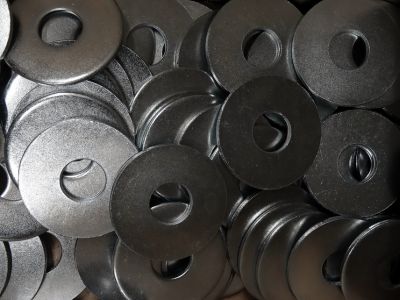
 Selecting the right washer for heavy machinery may seem like a small detail, but its impact on performance cannot be overstated. When components are under high loads, vibration, and repetitive motion, the wrong washer choice quickly leads to premature wear and unexpected downtime.
Heavy machinery operates under demanding conditions where joint security supports safety and productivity. Choosing washers with appropriate material properties, dimensions, and mechanical characteristics protects equipment investment and maintains uptime.
Understand Load Requirements for Your Application
The first step in selecting the right washer involves understanding the mechanical loads that your machinery faces on a daily basis. Heavy industrial equipment subjects fasteners to high tensile forces, shear loads, and dynamic stress from vibration or impacts.
Washers must distribute these forces over a broader area to prevent surface deformation and fastener loosening under operational stress.
We assess load conditions developed during normal operation to determine the washer thickness, outer diameter, and material hardness that best support your equipment design. When you match washer properties to real load demands, you reduce the risk of component fatigue or joint failure.
Choose Material Based on Environment and Stress
Washer material selection matters because environmental conditions and stress types influence performance over time. Steel washers perform admirably in dry, controlled environments, while hardened or coated steel types resist wear under heavy cyclical loads. In corrosive or high-moisture environments, stainless steel or specialty alloy washers prevent degradation that could compromise joint integrity.
Selecting materials with mechanical properties tuned to specific operating conditions protects against premature weakening. When your machinery operates in mixed environmental factors such as temperature swings and moisture exposure, the material choice becomes even more important.
Washer Design Features That Support Stability
Beyond material and load capacity, specific washer designs contribute to improved joint stability under heavy machine operation. Flat washers distribute load evenly, while serrated or toothed washers create additional friction that helps resist loosening from vibration. Locking washer styles produce tension effects that keep fasteners secure during cyclical movement.
Discussing your machinery’s vibration profile with us allows selection of washer designs that complement the fastener system. Your joints become more robust against separation or back-off caused by continuous motion.
Washer dimensions such as inner diameter, outer diameter, and thickness influence how well the washer functions within the fastener system. Washers that are too thin may flatten under high load, while those that are too thick could create clearance issues or stress concentrations.
Balance Cost With Long-Term Reliability
While it’s tempting to choose the lowest-cost washers available, doing so may create maintenance problems when heavy machinery operates intensely. Investing in washers with appropriate mechanical properties protects your equipment from frequent servicing, unscheduled stops, and part replacements.
A slightly higher upfront investment in quality components frequently pays dividends through extended service life and reduced production disruption.
Partner With Experts for Optimal Selection
Selecting washers for heavy machinery encompasses load analysis, material evaluation, design choice, and precision measurement. Skipping any one of these steps increases the chance of joint issues that may compromise a machine’s performance.
Minneapolis Washer and Stamping specializes in washers engineered to perform under demanding industrial conditions. Reach out to us today or request a quote to discuss your applications and secure washer solutions that will support your machinery operations for years to come.